
The Role of a Sport Psychology Expert: Unlocking Mental Strength for Peak Performance

When I first encountered the world of sport psychology, I was fascinated by how much the mind influences athletic performance. It’s not just about physical training or technique; the mental game plays a huge role in success. That’s where a sport psychology consultant steps in. They help athletes and high performers develop the mental tools needed to excel under pressure, bounce back from setbacks, and maintain focus on their goals.
Let me take you through what this role really entails, why it matters, and how it can transform your approach to competition and leadership.
What Does a Sport Psychology Expert Actually Do?
You might wonder, “Isn’t sports psychology just about motivation or relaxation techniques?” It’s so much more than that. A sport psychology expert works closely with athletes, coaches, and even entrepreneurs to enhance mental resilience, sharpen focus, and build confidence. They tailor strategies to each individual’s needs, helping them overcome mental barriers that can hold them back.
For example, I once worked with a collegiate tennis player who struggled with performance anxiety before crucial matches. Through visualization exercises, breathing techniques, and cognitive restructuring, we rewired his mindset. The result? He started playing with more freedom and less fear, which led to a significant improvement in his match results.
Here’s a quick snapshot of what a sport psychology expert typically focuses on:
Mental skills training: Techniques like goal setting, imagery, and self-talk.
Energy management: Tools to stay calm and composed under pressure.
Focus and concentration: Methods to minimize distractions and maintain peak attention when it matters most.
Motivation enhancement: Finding and sustaining the drive to push through tough training or competition.
Team dynamics: Improving communication and cohesion among teammates or staff.

Why Every High Performer Needs a Sport Psychology Expert
If you’re chasing excellence, you know that physical talent alone isn’t enough. The mental game can be the difference between winning and losing, thriving or burning out. A sport psychology expert helps you develop mental toughness, which is crucial for sustaining high performance over time.
Think about it: even the most gifted athletes face slumps, injuries, or self-doubt. Without the right mindset, these challenges can derail progress. But with expert guidance, you learn to:
Reframe setbacks as opportunities for growth.
Maintain confidence even when results don’t go your way.
Stay motivated during long, grueling training cycles.
Manage pressure in high-stakes situations.
I remember coaching a professional runner who was devastated after a poor race. Instead of letting that define her, we worked on shifting her perspective and setting new, realistic goals. She came back stronger and more focused, hitting a personal record in an important marathon.
This kind of mental resilience isn’t just for athletes. Leaders and entrepreneurs face similar pressures and uncertainties. The principles of sport psychology apply broadly, helping anyone who wants to perform at their best consistently.
How to Become a Sport Psychology Professional?
If you’re intrigued by this field and want to become a sport psychology professional yourself, here’s a roadmap based on my experience and industry standards:
Earn a relevant degree: Most professionals start with a bachelor’s in psychology, kinesiology, or a related field. A master’s or doctorate specializing in sport psychology is highly recommended.
Gain practical experience: Internships or assistant roles with sports teams, clinics, or performance centers provide hands-on learning.
Obtain certification: Look for credentials from recognized bodies like the Association for Applied Sport Psychology (AASP).
Develop strong communication skills: You’ll be working closely with diverse clients, so empathy and clarity are key.
Stay updated: The field evolves constantly, so ongoing education and research are essential.
Build a network: Connect with coaches, athletes, and other professionals to grow your practice.
Starting out, I found that learning from experienced consultants and getting involved with local sports clubs gave me invaluable insights. It’s a rewarding path if you’re passionate about helping others unlock their potential.

Practical Techniques Used by Sport Psychology Experts
Let’s get into some actionable strategies that a sport psychology expert might use with clients. These aren’t just theory—they’re practical tools you can start applying today.
Visualization
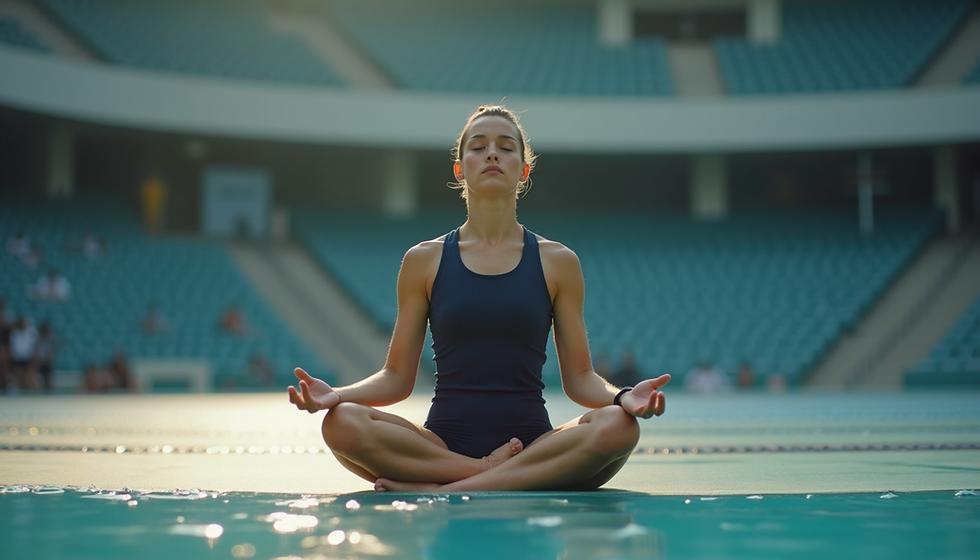
Imagine yourself succeeding in your sport or task. Visualization helps create a mental blueprint of success, making your brain more prepared for the actual event. Try this:
Find a quiet space.
Close your eyes and picture every detail of your performance.
Engage all your senses—hear the crowd, feel the movement, see the environment.
Repeat regularly, especially before competitions or presentations.
Goal Setting
Clear, measurable goals keep you motivated and focused. There are many frameworks to use, depending on the goal. One example well-known is the SMART framework:
Specific: Define exactly what you want.
Measurable: Track your progress.
Achievable: Set realistic targets.
Relevant: Align goals with your bigger purpose.
Time-bound: Set deadlines.
Breathing Techniques
When nerves hit, controlled breathing can calm your nervous system. Try the 4-2-6 method:
Inhale for 4 seconds.
Hold for 2 seconds.
Exhale slowly for 6 seconds.
Repeat a few times to reduce anxiety and regain focus.
Self-Talk
Your inner dialogue shapes your mindset. Replace ineffective thoughts with effective thoughts. For example, instead of “I can’t handle this,” say “I am prepared and capable.”
Routine Development
Pre-performance routines create consistency and reduce uncertainty. Whether it’s a warm-up sequence or a mental checklist, routines help anchor your focus.
The Impact of Mental Coaching on Long-Term Success
Working with a sport psychology expert isn’t a quick fix. It’s a journey of building mental habits that support sustained excellence. Over time, these mental skills become second nature, helping you navigate the ups and downs of any high-pressure environment.
I’ve seen clients transform not just their performance but their overall approach to challenges in life. They become more adaptable, confident, and clear about their goals. This mental clarity often spills over into other areas of life, enhancing leadership, decision-making, and personal growth.
If you’re ready to invest in your mental game, partnering with a sport psychology consultant can be a game-changer. It’s about unlocking the full potential that’s already inside you.
Embracing the Mental Edge for Your Next Level
So, what’s the takeaway? The role of a sport psychology expert is to guide you through the mental side of performance, helping you build resilience, focus, and confidence. Whether you’re an athlete, coach, or leader, these skills are essential for reaching and sustaining your highest potential.
Don’t wait for a crisis or slump to seek help. Mental training is proactive, just like physical conditioning. Start exploring these techniques today, and consider working with a professional who can tailor the approach to your unique needs.
Remember, the mind is your most powerful tool. Sharpen it, and you’ll be amazed at what you can achieve.


Comments